
Most home studios are small bedrooms or spare rooms with flat, parallel walls that create a mess of reflections, standing waves, and flutter echo. You hear these problems as muddiness in the low end, harshness in the highs, and an overall lack of clarity that makes mixing frustrating. Acoustic treatment fixes these issues, and it does not have to cost a fortune.
Acoustic Treatment for Small Rooms on a Budget
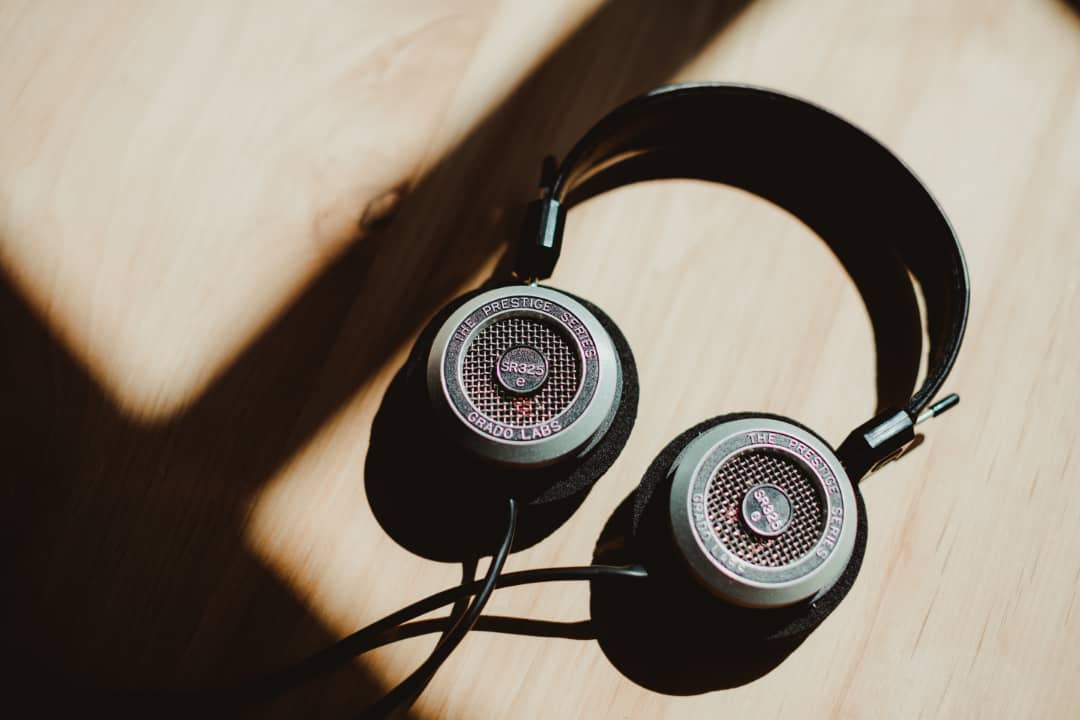
Treatment vs Soundproofing
Before spending money, understand the difference between acoustic treatment and soundproofing.
Treatment controls how sound behaves inside your room by absorbing or diffusing reflections. Soundproofing prevents sound from entering or leaving the room. They are completely different things requiring different solutions.
Foam panels, fiberglass absorbers, and diffusers are acoustic treatment. They make your room sound better for recording and mixing. Mass-loaded vinyl, double drywall, and decoupled walls are soundproofing.
They stop your neighbors from hearing your drum tracks at midnight.
This guide focuses on acoustic treatment because it has a much bigger impact on recording and mixing quality, and it costs a fraction of what proper soundproofing requires.
DIY Broadband Absorbers
The single most effective treatment for any small room is broadband absorption panels. These absorb a wide range of frequencies, from the upper bass through the treble, and tame the reflections that cause most mixing problems.
Building your own panels is straightforward and costs about $30 to $50 each versus $80 to $150 for commercial panels of the same quality.
Materials per panel:
- Owens Corning 703 or Rockwool Safe'n'Sound insulation (2 inches thick, 24 x 48 inches): $8 to $15 per panel
- 1 x 4 lumber for the frame: $6 to $10
- Breathable fabric (burlap, muslin, or cheap speaker cloth): $5 to $8
- Mounting hardware (picture wire, French cleats, or impaling clips): $3 to $5
Cut the lumber to frame the insulation batt, stretch the fabric over the front and staple it to the back of the frame, and hang the panel 1 to 2 inches away from the wall using spacers.
The air gap behind the panel extends its low-frequency absorption, which is where small rooms need the most help.
Where to Place Your Panels
Panel placement matters more than panel quantity. Four well-placed panels outperform twelve randomly scattered ones. Here is the priority order:
- First reflection points (left and right walls): Sit in your mixing position and have someone slide a mirror along the side walls. When you can see the speaker cone in the mirror, that is a first reflection point. Place a panel there on each side.
These two panels alone make a noticeable difference.
Bass traps (thicker panels, 4 inches or more, placed across room corners) address the low-end mud that makes small rooms difficult to mix in.
Budget Alternatives That Work
If building panels is not an option, these alternatives provide meaningful improvement:
- Moving blankets: Thick furniture moving pads ($10 to $20 each at Harbor Freight) absorb mid and high frequencies effectively.
They do almost nothing for bass, but they kill flutter echo and tame harsh reflections. Hang them with curtain rods or command hooks.
Not as effective as proper panels but far better than nothing.
What to Avoid
Egg crate foam does almost nothing useful. It is too thin to absorb anything below 2,000 Hz, and the frequencies it does absorb are not the ones causing problems in most rooms. It makes your room look like a studio without making it sound like one.
Covering every surface with absorption is also a mistake. An over-treated room sounds dead and unnatural, which is just as bad for mixing as an untreated room. You want to control reflections, not eliminate them. Aim to cover 20 to 30 percent of your wall surface area with absorption, and leave some surfaces bare or diffused to maintain a natural room sound.
Get the best of Music Rooms
Expert guides, reviews, and tips delivered to your inbox. No spam, unsubscribe anytime.
Acoustic TreatmentDIY
Related Articles
Setting Up a Home Recording Studio
Essential gear and room treatment for a home recording studio on any budget.
Home Studio Desk Buying Guide
How to choose a studio desk that fits your gear, room, and workflow. Covers desk types, dimensions,
Best Studio Monitor Stands and Isolation Pads
A comparison of studio monitor stands and isolation pads that improve sound accuracy. Covers desktop
How to Soundproof a Room Without Major Construction
Practical ways to reduce sound transfer from your studio without construction, from sealing air gaps